





August. 08, 2026
For cat litter importers and distributors, product quality should not be judged only when the goods leave the factory.
The real test is the condition of the cat litter after container loading, sea transportation, unloading, warehousing and local distribution.
A product may look clean during production but arrive with more dust, broken particles, damaged bags or moisture-related problems after a long journey.
For bulk cat litter buyers, transportation stability should therefore be part of the purchasing specification.
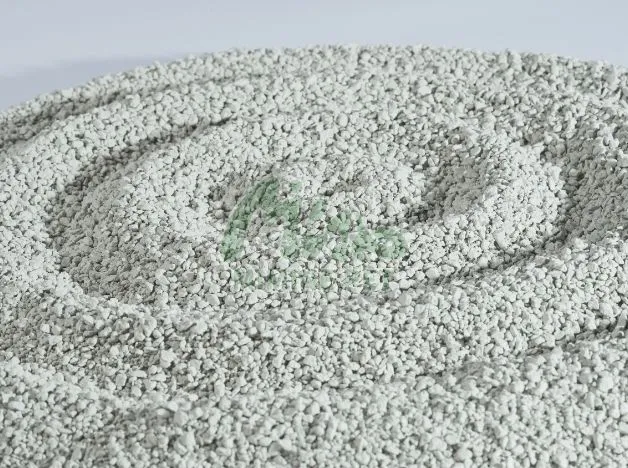
Cat litter can experience continuous vibration, pressure, stacking and repeated handling during export.
Common problems include:
Increased dust
Broken granules
Damaged pellets
Bag leakage
Split seams
Broken handles
Moisture exposure
Product caking
Package deformation
Different materials respond differently to these conditions.
Bentonite cat litter needs sufficient granule strength to avoid excessive crushing. Tofu and cassava litter require stable pellet structures and good moisture protection. Mixed cat litter may need to balance the physical properties of more than one material.
This means the supplier should consider both product formulation and shipping conditions.
One major source of dust is excessive fine material left in the product before packaging.
Screening is therefore an important part of cat litter production.
For bentonite litter, appropriate grinding, granulation and screening help control particle size distribution. For plant-based litter, broken pellets and loose powder should also be separated before packing.
Buyers should ask whether the particle size specification is controlled during production rather than relying only on a finished sample.
Mimine's production process, for example, includes granulation, drying, dust removal and screening before finished cat litter enters final inspection and packaging.
Initial dust level and particle strength are closely connected.
A product may show very little dust immediately after production but create significantly more powder if the particles are weak.
This is why importers should consider how the product performs after repeated handling.
A practical sample test can include:
Measure the amount of visible fine material.
Shake or handle the package repeatedly.
Recheck the amount of broken particles.
Pour the litter and compare the dust level.
This simple procedure gives a better indication of transportation stability than examining an untouched sample.
Cat litter is designed to absorb moisture, which also means uncontrolled humidity during transport can affect the product.
Potential problems include:
Reduced performance
Softened plant-based pellets
Premature clumping
Caking
Changes in fragrance
Packaging deformation
This is particularly relevant for shipments passing through humid climates or ports with long storage periods.
The retail bag and outer packing should therefore provide appropriate moisture protection for the product type and destination market.
Packaging should not be selected only according to appearance.
Cat litter is heavier than many other pet products, so the filled bag places greater pressure on seals, handles and package material.
Before approving packaging, buyers should check:
Seal strength
Bag thickness
Handle construction
Drop resistance
Puncture resistance
Stacking strength
Moisture resistance
Large bentonite bags may require stronger packaging because of their weight. Smaller tofu or cassava packages may have different structural requirements.
The correct packaging specification depends on both material and pack size.
A common sourcing mistake is approving packaging artwork and material without testing the bag after filling.
The finished package should be evaluated under realistic conditions.
Useful checks include:
Lifting the bag repeatedly
Dropping the filled bag from a controlled height
Stacking multiple bags
Checking seals after compression
Inspecting handle strength
Looking for punctures or leakage
These tests are especially useful for private label projects because a packaging problem discovered after mass production can be expensive to correct.
The best packaging format depends on how the product will be sold.
Products may experience repeated parcel handling, so individual package strength becomes more important.
Shelf appearance, handle design, barcode placement and retail size may matter more.
Larger bags and efficient pallet loading may take priority.
The package must balance branding, strength, filling efficiency and logistics cost.
Manufacturers offering customized packaging can normally adjust bag size, artwork and product format according to the intended channel.
Mimine provides private label options for different cat litter categories, allowing the product and packaging specification to be planned together.
Cat litter is usually shipped in large quantities, so small changes in packaging dimensions can influence container utilization.
Before confirming a custom bag, consider:
Net weight per bag
Gross weight
Bag dimensions
Bags per pallet
Pallet dimensions
Container weight limit
Loading method
For dense bentonite litter, the container may reach its weight limit before all available volume is used.
Plant-based litter can have a different weight-to-volume relationship.
This means packaging decisions can affect landed cost, not just retail presentation.
Export inspection should happen before the goods enter the container.
Depending on the product, buyers may want to confirm:
Dust level
Particle condition
Clumping
Moisture
Fragrance
Package sealing
Net weight
Print accuracy
Order quantity
For repeat orders, it is also useful for the supplier to retain production samples.
If a quality issue is reported later, retained samples can help compare the shipped batch with the approved specification.
Even well-produced cat litter can be damaged by poor loading.
The loading process should consider:
Weight distribution
Product stacking
Movement during transport
Pallet stability
Container cleanliness
Moisture conditions
Unloading requirements
Heavy bags should not be stacked in a way that creates unnecessary pressure on weak points in the packaging.
Buyers should also confirm whether the destination warehouse requires palletized or floor-loaded goods before shipment is arranged.
Importers should evaluate two different quality stages.
Factory quality describes the condition of the cat litter immediately after production.
Landed quality describes the product that actually reaches the distributor, retailer or consumer.
The second is ultimately more important.
A reliable bulk cat litter supplier should therefore control raw materials, particle formation, screening, dust, packaging, batch inspection and shipment preparation as one connected process.
Mimine manufactures bentonite, tofu, cassava and mixed cat litter for bulk and private label orders and incorporates production inspection and shipment preparation into its manufacturing process.
For buyers planning an import order, discussing destination, package size, product type, expected quantity and transport method before mass production can help reduce avoidable dust, breakage and packaging problems later in the supply chain.

Previous: None

None How to Evaluate Cat Litter Quality Before Placing a Bulk Order
Related News
July. 22, 2026
Do You Really Know the Cassava Raw Material Used in Cassava Cat Litter?
December. 10, 2025
October. 14, 2025
Step-by-Step Guide: Customized Cat Litter Through OEM/ODM Services
Hot Products

Blue Diamond Starry Sky Cat Litter


Dust-Free Bentonite Cat Litter


Activated Carbon Tofu Cat Litter


water-soluble granular cassava cat litter


Get Free Samples and Quotes

Contact Mimine Pet
After you complete the information, our staff will contact you to send the catalog. And support to get free samples.

